



Varicose veins are a common vascular condition characterized by swollen, twisted veins that often appear blue or dark purple. These veins typically develop in the legs and feet due to increased pressure in the veins, which can lead to their abnormal enlargement. The condition arises when the valves within the veins become weakened or damaged, causing blood to pool rather than flow efficiently back to the heart.
This pooling can result in the visible bulging of veins beneath the skin’s surface, creating an unsightly appearance that many individuals find distressing. The prevalence of varicose veins increases with age, affecting both men and women, although women are more likely to seek treatment. Factors such as genetics, hormonal changes, and lifestyle choices can contribute to the development of varicose veins.
Understanding the underlying mechanisms of this condition is crucial for effective management and treatment. As awareness grows, individuals are encouraged to recognize the signs early and seek appropriate care to mitigate potential complications.
Symptoms and Risk Factors
The symptoms associated with varicose veins can vary significantly from person to person. Commonly reported symptoms include aching, heaviness, or discomfort in the legs, particularly after prolonged periods of standing or sitting. Some individuals may also experience swelling in the lower legs, cramping, or a burning sensation along the affected veins.
In more severe cases, varicose veins can lead to skin changes, such as discoloration or ulceration, indicating a need for immediate medical attention. Several risk factors contribute to the likelihood of developing varicose veins. Genetics play a significant role; individuals with a family history of the condition are more prone to experiencing it themselves.
Additionally, hormonal changes during pregnancy, menopause, or hormone replacement therapy can increase susceptibility. Lifestyle factors such as obesity, sedentary behavior, and prolonged standing or sitting can exacerbate the condition. Recognizing these risk factors is essential for individuals seeking to prevent or manage varicose veins effectively.
Non-Surgical Treatment Options
For many individuals with varicose veins, non-surgical treatment options can provide relief from symptoms and improve the appearance of affected veins. Compression therapy is one of the most widely recommended approaches. Compression stockings apply graduated pressure to the legs, promoting better blood circulation and reducing swelling.
These stockings come in various styles and levels of compression, allowing individuals to choose options that best suit their needs and lifestyle. In addition to compression therapy, lifestyle modifications can significantly impact the management of varicose veins. Regular exercise is beneficial for improving circulation and strengthening the muscles in the legs. Activities such as walking, swimming, or cycling can help alleviate symptoms and prevent further vein deterioration.
Weight management is also crucial; maintaining a healthy weight reduces pressure on the veins and minimizes the risk of developing new varicose veins. Furthermore, elevating the legs when resting can aid in reducing swelling and discomfort.
Surgical Treatment Options
| Treatment Option | Description | Success Rate |
|---|---|---|
| Laparoscopic Surgery | A minimally invasive procedure using small incisions and a camera to view inside the body | 90% |
| Open Surgery | A traditional surgical approach with a larger incision to access the affected area | 85% |
| Robotic Surgery | Utilizes robotic arms controlled by a surgeon to perform precise and complex procedures | 92% |
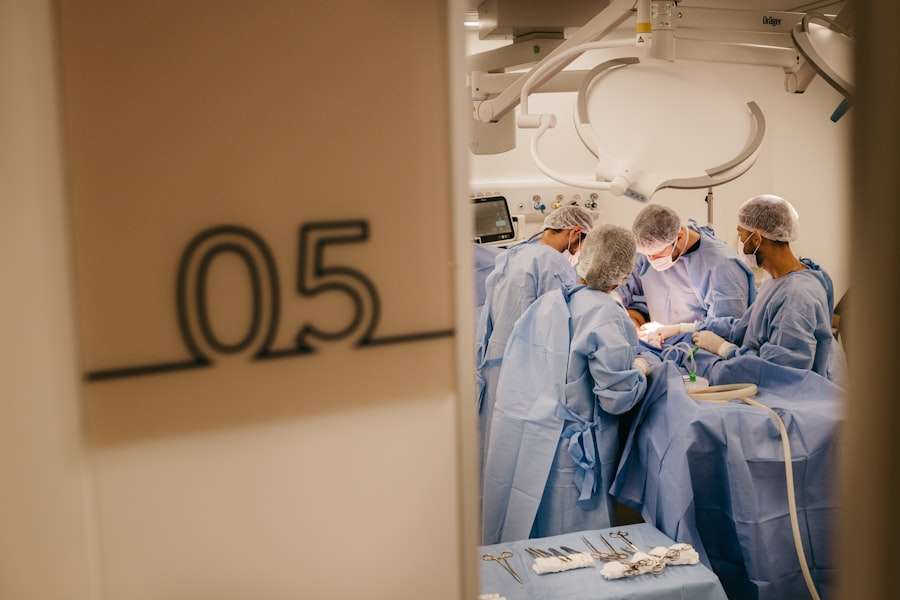
When non-surgical treatments fail to provide adequate relief or when varicose veins pose a risk of complications, surgical intervention may be necessary. One common surgical procedure is vein stripping, which involves removing the affected vein through small incisions in the skin. This method is typically reserved for severe cases where other treatments have not been effective.
While vein stripping can provide significant relief from symptoms and improve appearance, it does require a recovery period during which patients may experience discomfort and bruising. Another surgical option is ligation and division, where the problematic vein is tied off and removed from circulation. This procedure is often performed on an outpatient basis and may be combined with other treatments for optimal results.
Patients considering surgical options should consult with a qualified vein specialist to discuss their specific condition and determine the most appropriate course of action based on their individual needs.
Minimally Invasive Procedures
In recent years, minimally invasive procedures have gained popularity as effective alternatives to traditional surgical methods for treating varicose veins. One such procedure is endovenous laser treatment (EVLT), which uses laser energy to close off affected veins. During this outpatient procedure, a thin catheter is inserted into the vein, and laser energy is applied to seal it shut.
This method offers several advantages, including reduced recovery time and minimal scarring compared to traditional surgery. Another minimally invasive option is sclerotherapy, which involves injecting a solution directly into the varicose vein. This solution irritates the vein lining, causing it to collapse and eventually fade from view.
Sclerotherapy is particularly effective for smaller varicose veins and spider veins and can often be performed in a physician’s office without anesthesia. Patients typically experience little discomfort during the procedure and can resume normal activities shortly afterward.
Lifestyle Changes for Varicose Vein Management
Making lifestyle changes can play a pivotal role in managing varicose veins and preventing their progression. Regular physical activity is essential; engaging in exercises that promote leg strength and circulation can help alleviate symptoms and reduce the risk of new vein formation. Activities such as walking, swimming, or yoga are particularly beneficial for individuals with varicose veins.
Dietary modifications also contribute significantly to vein health. A diet rich in fiber helps prevent constipation, which can exacerbate venous pressure. Incorporating foods high in antioxidants, such as fruits and vegetables, supports overall vascular health by reducing inflammation and promoting circulation.
Staying hydrated is equally important; adequate fluid intake helps maintain blood volume and circulation efficiency. Additionally, individuals should be mindful of their posture throughout the day. Avoiding prolonged periods of standing or sitting without movement can help reduce pressure on the veins.
When sitting for extended periods, elevating the legs periodically can promote better blood flow and alleviate discomfort.
Choosing the Right Vein Specialist
Selecting a qualified vein specialist is crucial for effective diagnosis and treatment of varicose veins. Patients should seek out healthcare professionals who are board-certified in vascular surgery or phlebology—the specialty focused on vein disorders. It is essential to research potential specialists’ credentials, experience, and patient reviews to ensure they have a solid reputation in treating varicose veins.
During initial consultations, patients should feel comfortable discussing their symptoms and concerns openly. A thorough evaluation should include a physical examination and possibly an ultrasound to assess blood flow in the affected veins. The specialist should provide clear explanations of available treatment options tailored to the patient’s specific condition and preferences.
Building a trusting relationship with a vein specialist can significantly enhance the overall treatment experience.
Cost and Insurance Coverage
The cost of treating varicose veins can vary widely depending on several factors, including the type of treatment chosen, geographic location, and individual insurance coverage. Non-surgical options like compression stockings may be relatively affordable but may not always be covered by insurance plans. Conversely, surgical procedures or minimally invasive treatments often come with higher costs but may be partially or fully covered by insurance if deemed medically necessary.
Patients are encouraged to contact their insurance providers to understand coverage specifics related to varicose vein treatments. Many insurance plans require documentation of symptoms or previous non-surgical treatments before approving coverage for surgical interventions. Additionally, discussing payment options with healthcare providers can help patients navigate potential out-of-pocket expenses associated with their chosen treatment plan.
In conclusion, understanding varicose veins involves recognizing their causes, symptoms, and available treatment options—both surgical and non-surgical. By making informed lifestyle choices and seeking appropriate medical care from qualified specialists, individuals can effectively manage this common condition while minimizing its impact on their quality of life.
If you’re exploring treatment options for varicose veins in New Jersey, it’s essential to consider various methods that can alleviate symptoms and improve vein appearance. One effective treatment is the use of compression stockings, which help in managing the discomfort and swelling associated with varicose veins. For more detailed information on how compression stockings can benefit you and where to find these services in New Jersey, you can visit this comprehensive guide on compression stockings. This resource provides insights into how these stockings work and how they can be part of your overall varicose vein treatment plan.
0 Comments